Feeling pain or discomfort in the chest is one of the most alarming experiences a person can have. The mind immediately thinks of the worst: a heart attack. If you’re reading this, it’s likely that you or a loved one are feeling that anxiety right now.
The good news is that not all chest pain is a heart attack. The bad news is that ignoring the correct signals can have serious consequences. In this guide, we’ll help you understand the warning signs, why acting fast is crucial, and where to find reliable emergency help in Panama.
Not all chest pain is a heart attack, but how do you tell the difference?
It’s important to know that the chest houses more than just the heart. Muscles, lungs, the esophagus, and even stress can cause pain in the area. Common non-cardiac causes include:
Digestive causes: Heartburn, gastroesophageal reflux, or gas.
Muscle pain: A strain in the chest muscles from exercise or a bad movement.
Panic or anxiety attacks: These can cause a tightness in the chest very similar to that of a heart attack.
However, the key is not to self-diagnose, but to recognize when the symptoms point to a true cardiological emergency.
Warning Signs: When Chest Pain IS a Medical Emergency
If you experience chest pain accompanied by any of the following symptoms, you should seek medical attention immediately. Don’t wait, don’t try to “tough it out.”
Sensation of pressure or tightness: As if a great weight were on your chest.
Pain that radiates: The discomfort extends to one or both arms, the back, the neck, the jaw, or the stomach.
Difficulty breathing: You are short of breath, even at rest.
Cold sweats: You sweat suddenly for no apparent reason.
Dizziness or lightheadedness: You feel like you are going to faint.
Nausea or vomiting: A sudden stomach upset that accompanies the pain.
These are the classic heart attack symptoms. When in doubt, it is a thousand times better for a doctor to tell you that it was nothing than to risk suffering irreversible damage to your heart.
The “Golden Hour”: Why Every Second Counts
In cardiology, we talk about the “golden hour.” This is the period of time immediately after a cardiac event. Receiving medical attention within this first hour can mean the difference between a full recovery and permanent damage to the heart muscle, or even life and death.
When an artery becomes blocked, the heart stops receiving blood and oxygen. The more time that passes, the more heart tissue dies. Therefore, seeking emergency cardiology services in Panama immediately is not an option, it is a necessity.
Your Solution: 24/7 Emergency Services at Hospital Brisas
Knowing where to go is as important as knowing when to go. When you face a possible cardiac emergency, you need a place that is not only open, but has the equipment and specialized staff to act quickly and accurately.
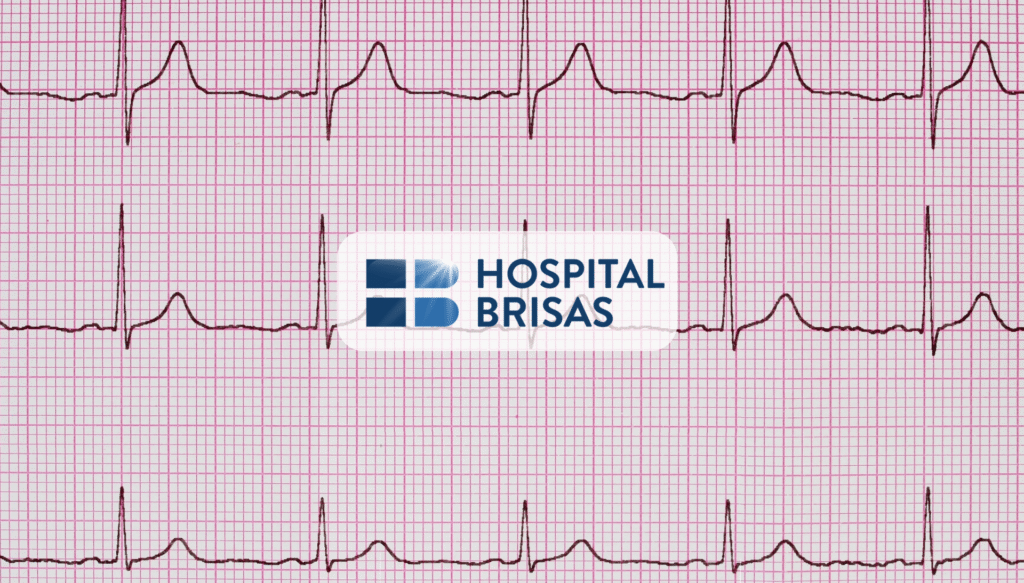
At Hospital Brisas, our Emergency Room is open 24 hours a day, 7 days a week, ready to assist you. We have the technology to perform an electrocardiogram (EKG) immediately, analyze cardiac enzymes in our laboratory, and, most importantly, a medical team trained to stabilize and diagnose patients with acute chest pain. In addition, we have the support of our Cardiology specialists to provide appropriate follow-up.
If you have chest pain, don’t wait. At the Hospital Brisas Emergency Room, we are available 24/7.